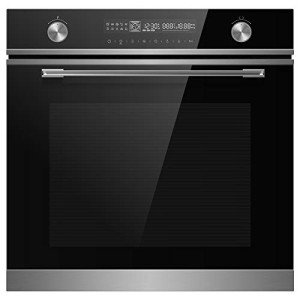
Understanding Integrated Ovens: A Comprehensive Guide
In the realm of cooking innovation, integrated ovens have actually emerged as a popular device that integrates performance, benefit, and design. As home cooking progresses, integrating state-of-the-art solutions into cooking areas has become significantly desirable. This post looks into what integrated ovens are, their functions, advantages, and contrasts to traditional ovens.
What is an Integrated Oven?
An integrated oven is a built-in kitchen device created to fit effortlessly within kitchen cabinetry. Unlike freestanding ovens, which occupy flooring area and are frequently bulky, integrated ovens are developed to be hidden behind kitchen doors, producing a structured look. These ovens are frequently part of a complete kitchen suite and can include options like convection, steam, and mix ovens, supplying versatility for various cooking needs.
Secret Features of Integrated Ovens
- Space-saving Design: Integrated ovens occupy less square footage while supplying adequate cooking area, making them ideal for small kitchen areas.
- Visual Appeal: They mix harmoniously with cabinets, adding to a cohesive kitchen style.
- Several Cooking Functions: Many integrated ovens include numerous cooking modes, including baking, barbecuing, steaming, and more, catering to diverse cooking methods.
- Smart Technology: Features like touchscreens, Wi-Fi connectivity, and programmable settings boost user benefit and accuracy.
- Energy Efficiency: Many integrated ovens are designed to use energy more efficiently than conventional ovens, reducing electrical energy intake and cooking times.
Types of Integrated Ovens
Integrated ovens come in various types, each designed to match various cooking styles and preferences:
- Single Ovens: The most common type for everyday cooking and baking.
- Double Ovens: Suitable for tasks requiring synchronised cooking at different temperature levels.
- Steam Ovens: Ideal for health-conscious cooking, protecting nutrients while ensuring wetness.
- Microwave Ovens: Often integrated with other ovens for flexibility and fast cooking.
- Combi Ovens: Hybrid systems that integrate conventional and steam cooking, providing an exceptional all-in-one solution.
Benefits of Integrated Ovens
The advantages of integrated ovens extend well beyond their modern-day looks. Here are some notable advantages:
- Enhanced Kitchen Design: They offer a sleek, modern-day appearance that improves the general kitchen visual.
- Enhanced Functionality: The variety of cooking techniques and features deals with versatile cooking requirements.
- Increased Value: Integrated appliances can increase property value, making homes more attractive to potential buyers.
- Ease of Use: Intuitive controls and features streamline the cooking procedure, enabling for greater cooking expedition.
- Safety Features: Many integrated ovens come with extra safety functions to prevent mishaps, particularly important in family homes.
Comparison Table of Integrated Ovens vs. Traditional Ovens
| Feature | Integrated Ovens | Conventional Ovens |
|---|---|---|
| Design | Built-in, seamless with kitchen cabinetry | Freestanding, uses up space |
| Cooking Functions | Numerous (often personalized) | Generally fundamental performances |
| Space Efficiency | Enhanced for little cooking areas | Needs more space around the system |
| Energy Efficiency | Frequently more energy-efficient | Can differ considerably |
| Smart Technology | Many designs include wise combination | Traditional ovens often do not have wise functions |
| Visual Appeal | Modern, integrated into the kitchen style | More visible, can interfere with style |
Factors to consider Before Purchasing an Integrated Oven
Picking the right integrated oven includes several crucial elements:
- Space Availability: Before purchase, determine your readily available kitchen area to make sure a great fit.
- Cooking Needs: Identify what types of cooking you often do to select the proper features.
- Budget: Integrated ovens vary substantially in price, so spending plan considerations are important.
- Installation Requirements: Professional setup might be required, including to the total cost.
- Brand Reliability: Research brand names and check out reviews to guarantee you pick a trustworthy manufacturer.
Frequently Asked Questions (FAQs)
1. Are integrated ovens more costly than traditional ovens?Yes, integrated ovens tend to be more pricey upfront due to their sophisticated technology and design. Nevertheless, they can boost the overall value of your kitchen. 2. Can integrated ovens be installed anywhere?No, integrated ovens require to fit within particular cabinets designs. It's necessary to prepare your kitchen layout before picking an integrated oven. 3. Do integrated ovens need expert installation?While some property owners might opt to install integrated ovens themselves, expert setup is normally recommended to make sure security and appropriate function. 4. How do
I keep my integrated oven?Regular cleaning is essential. Utilize the self-cleaning function (if offered ), and keep the oven doors and racks clean after each usage.
5. Can I connect my integrated oven to clever devices?Many modern integrated ovens are developed with wise functions, permitting you to manage them through smart device or voice commands. Integrated ovens represent the next development in kitchen Household appliances, combining modern style with modern cooking innovation. They not only boost the kitchen's visual appeal however likewise offer flexible cooking functionalities matched for various cooking skills and preferences. Choosing an integrated oven needs cautious factor to consider of area, cooking needs, and budget, but the potential advantages, including boosted kitchen aesthetics and increased property value, often make them a beneficial financial investment. With the best integrated oven, cooking lovers can elevate their cooking experience to new heights.